
My Dolomites Photo Adventure Beauty Challenges and the Unseen Impact of Tourism
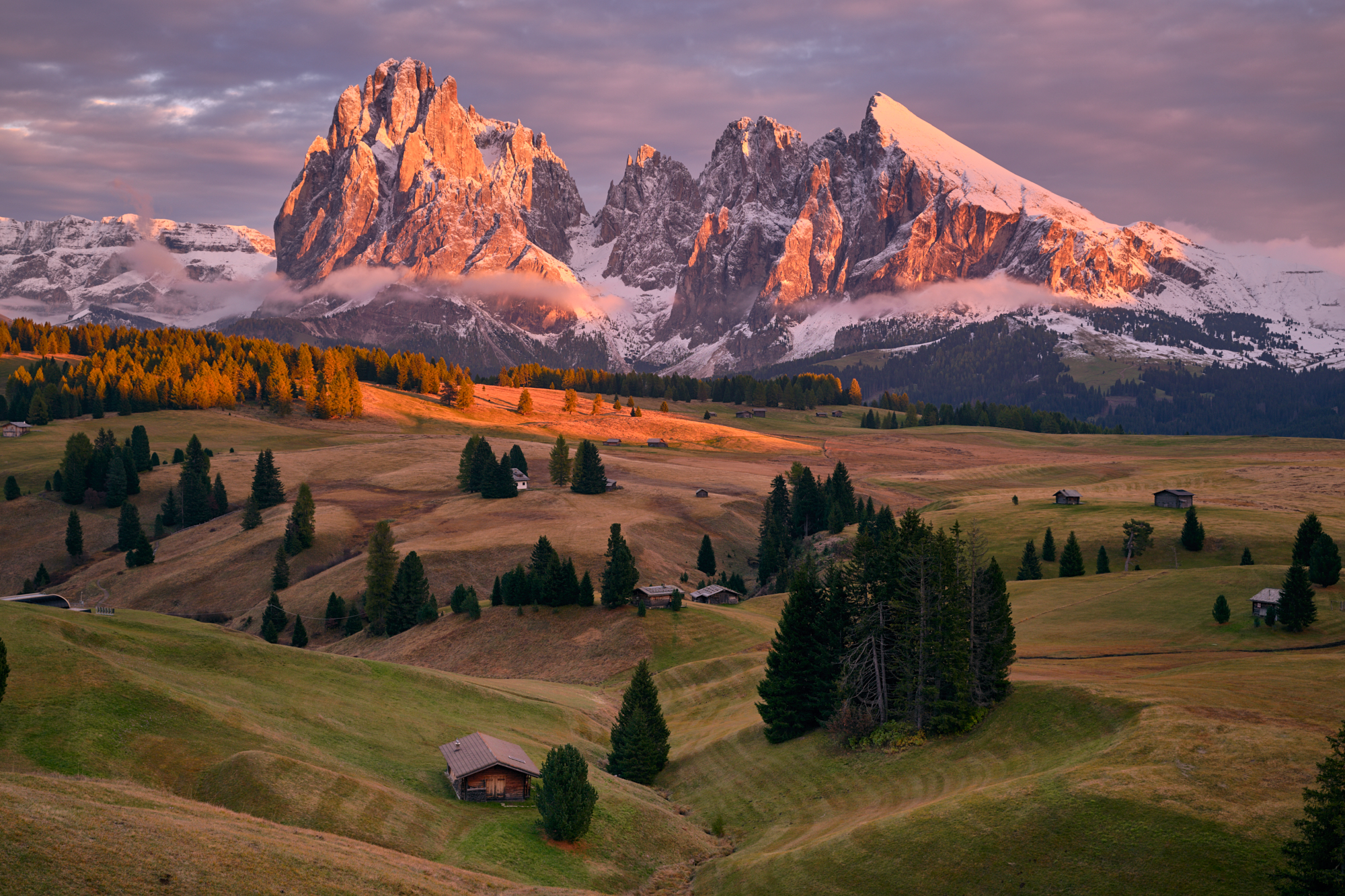
The Dolomites had long been on my list as one of the most spectacular mountain landscapes to photograph. In October 2024, I finally made the trip. What I encountered was not quite what I had expected.
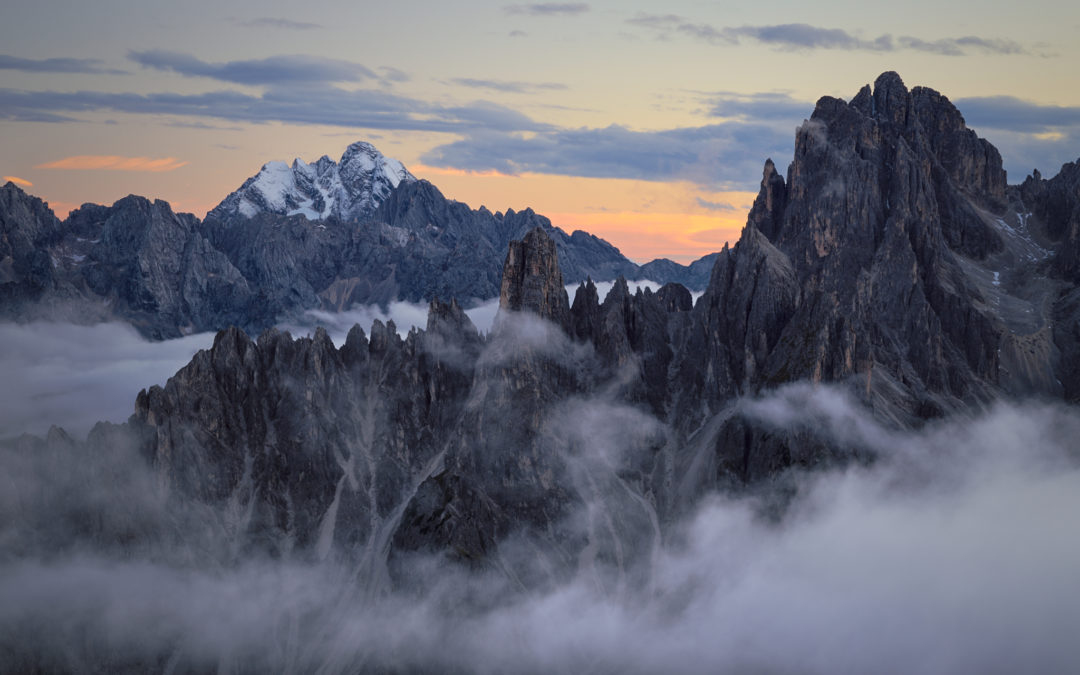
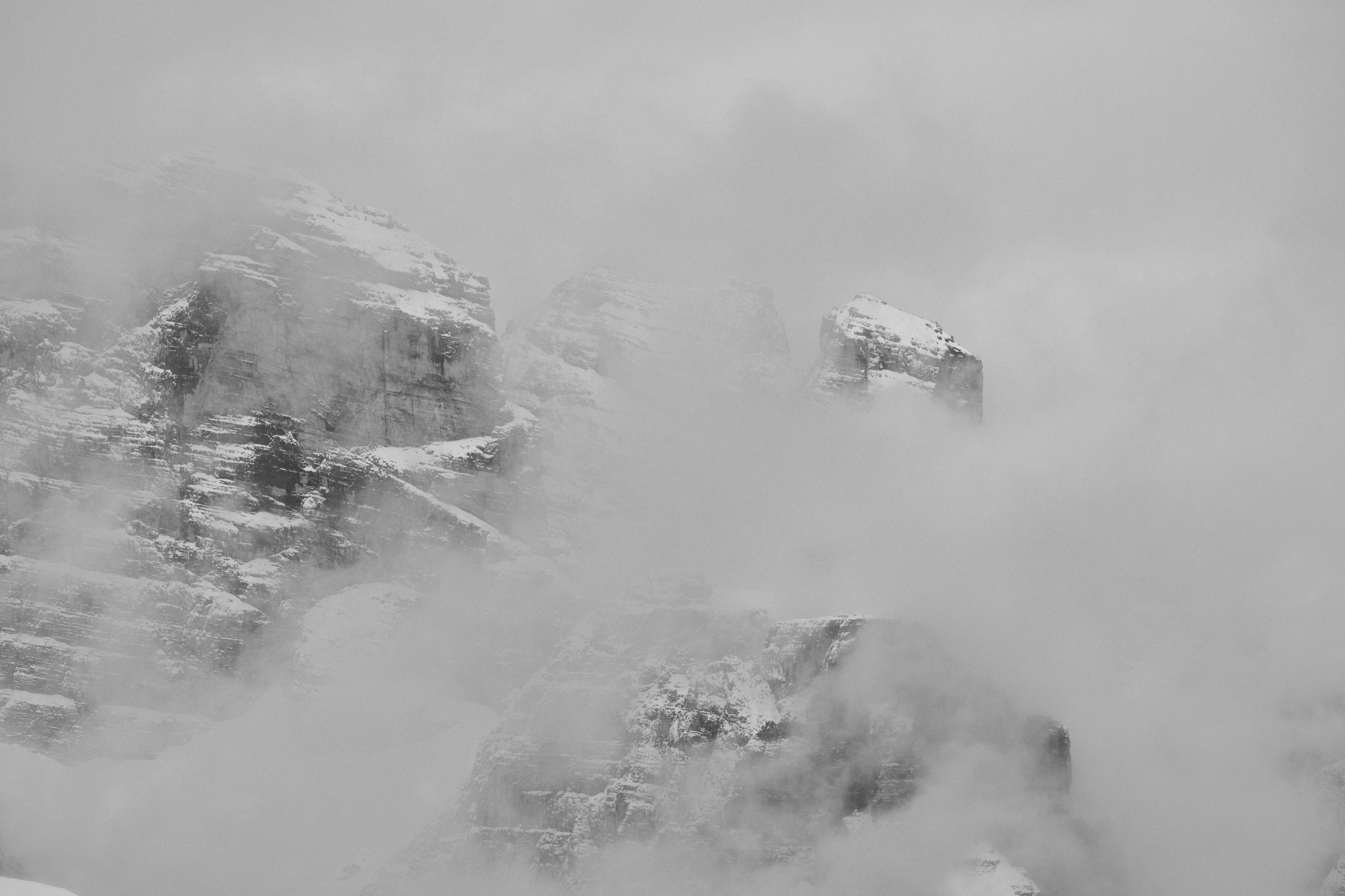
I had chosen early October in the hope of finding autumn colours beneath the dramatic limestone peaks for which the region is famous. Instead, I arrived to persistent rain and two days of heavy snowfall. Around thirty centimetres of snow transformed parts of the landscape into an early winter scene and, while visually stunning, it also made access to several locations far more challenging.
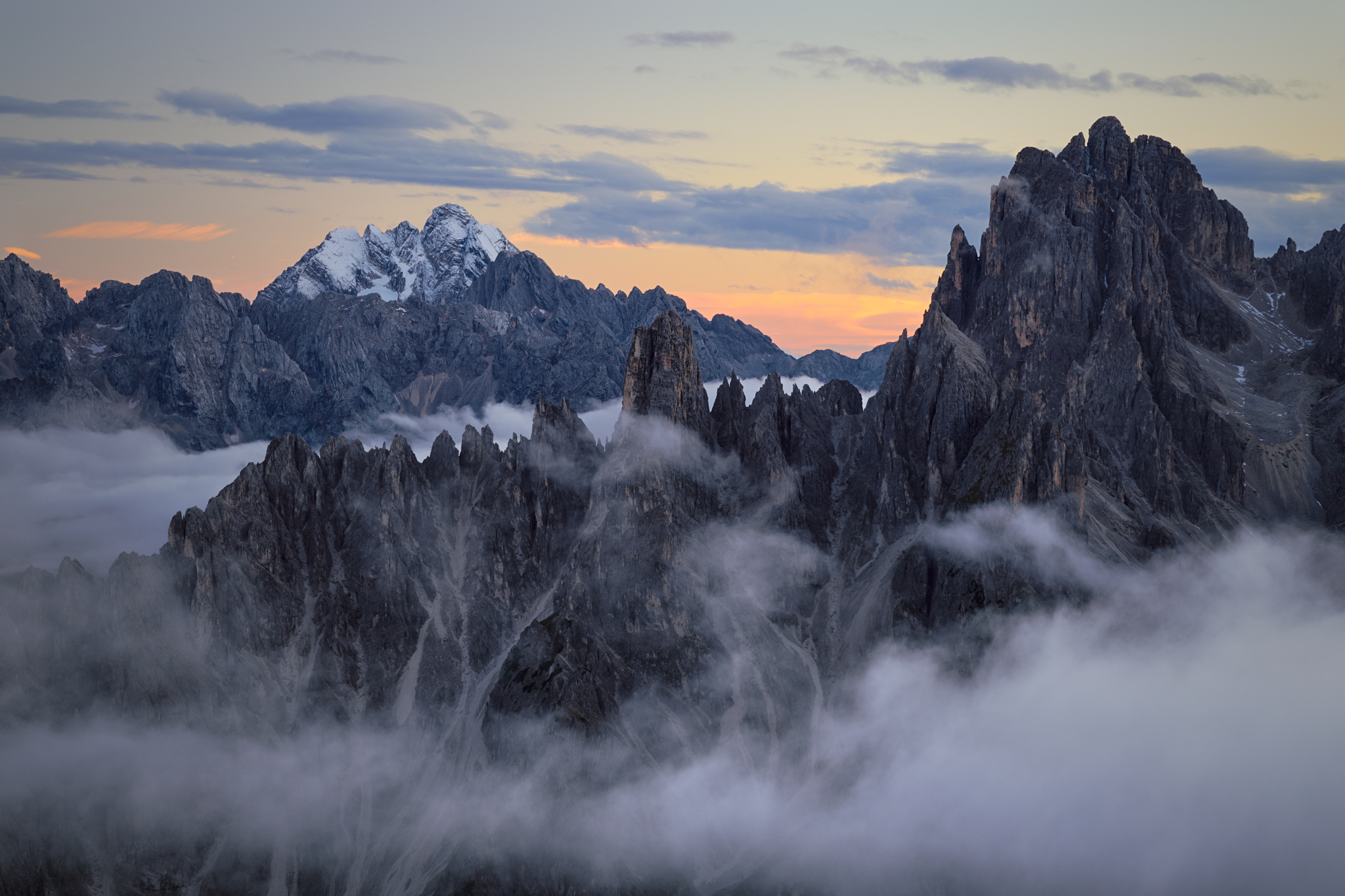
One of those locations was Cadini di Misurina. The walk to the famous viewpoint is normally straightforward, but the fresh snow turned it into a much more demanding route. I was properly equipped and comfortable in the conditions, yet I was astonished to see people attempting the same hike in completely unsuitable footwear, including sandals. Beyond the obvious risk to themselves, this kind of behaviour can endanger others, particularly mountain rescue teams who may be called upon when situations deteriorate.
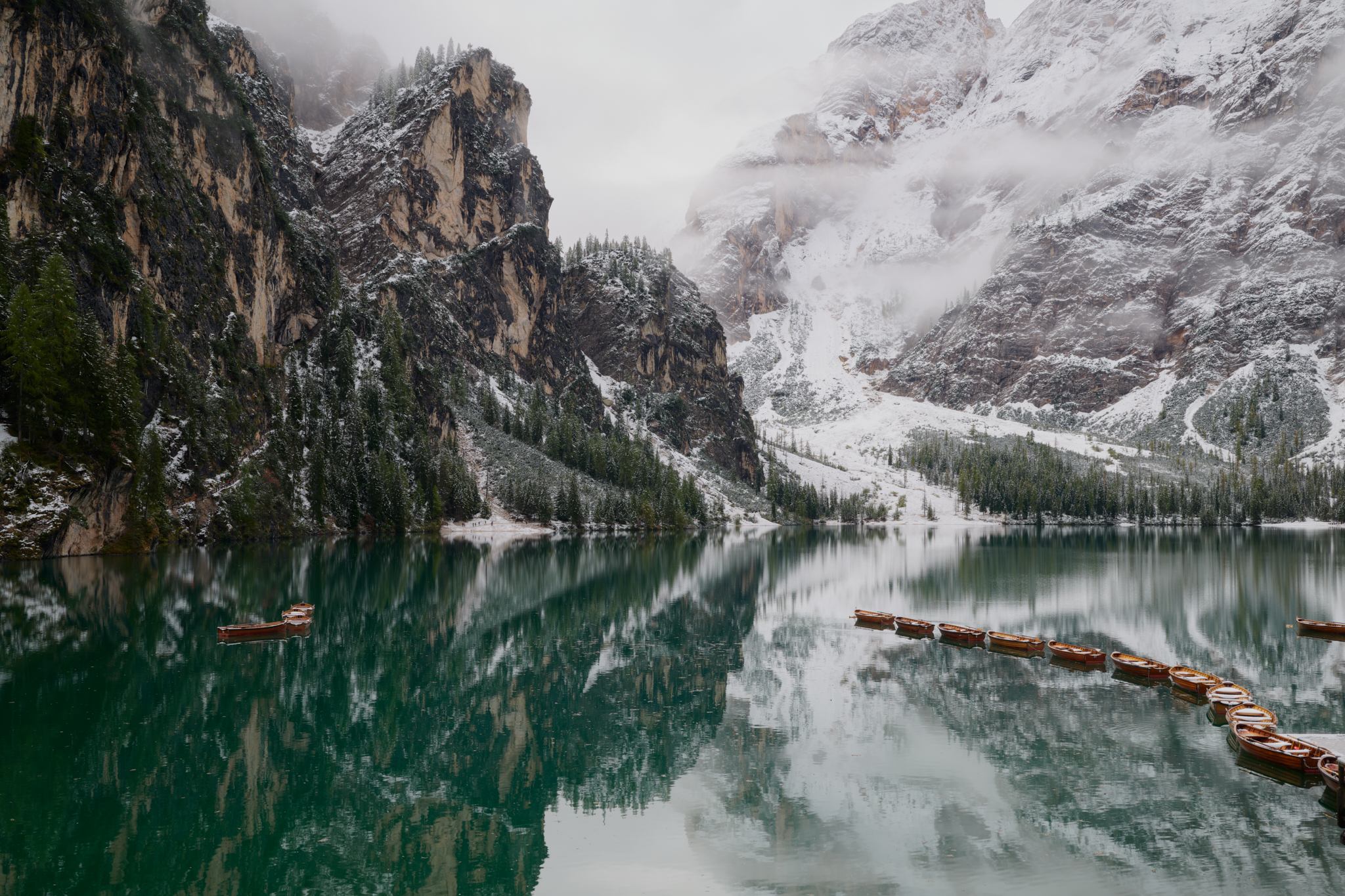
The contrast between the wildness of the mountains and the behaviour of some visitors became even more apparent at Lago di Braies. Often described as one of the jewels of the Dolomites, the lake remains undeniably beautiful. Yet the popularity that has made it famous has also changed the experience of being there.
What should feel calm and contemplative has become crowded and noisy, with a constant flow of visitors arriving by bus, many focused on capturing a quick photograph before moving on. The issue is not photography itself, nor the sharing of images. As a photographer, I understand that impulse all too well. The problem arises when places are treated as backdrops rather than landscapes, valued more for the image they produce than for the experience they offer.
The consequences are visible. Growing visitor numbers increase pressure on paths and surrounding environments, while the atmosphere that once drew people there gradually disappears. Lago di Braies no longer feels like a place waiting to be discovered. Too often, it feels like a place being consumed.
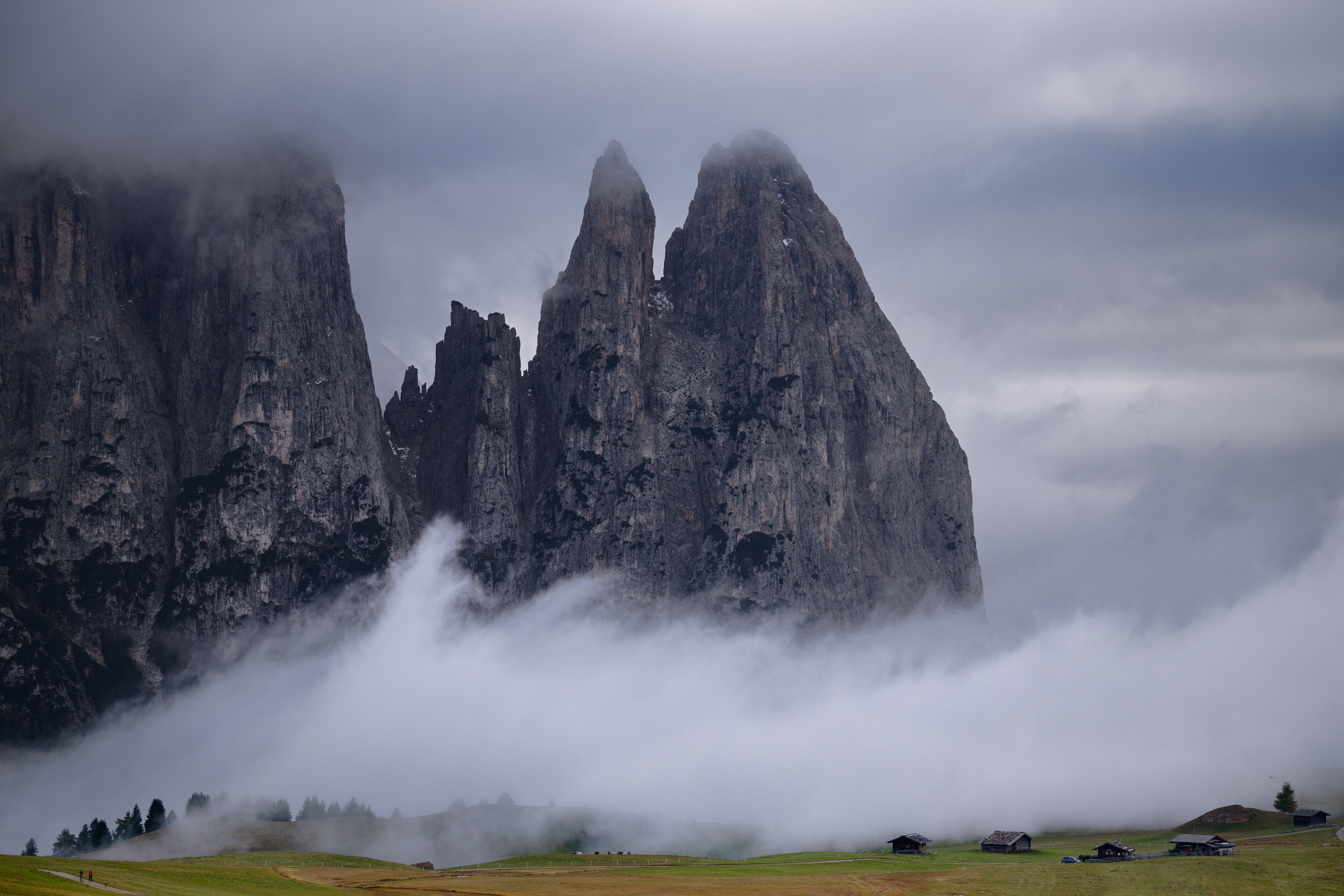
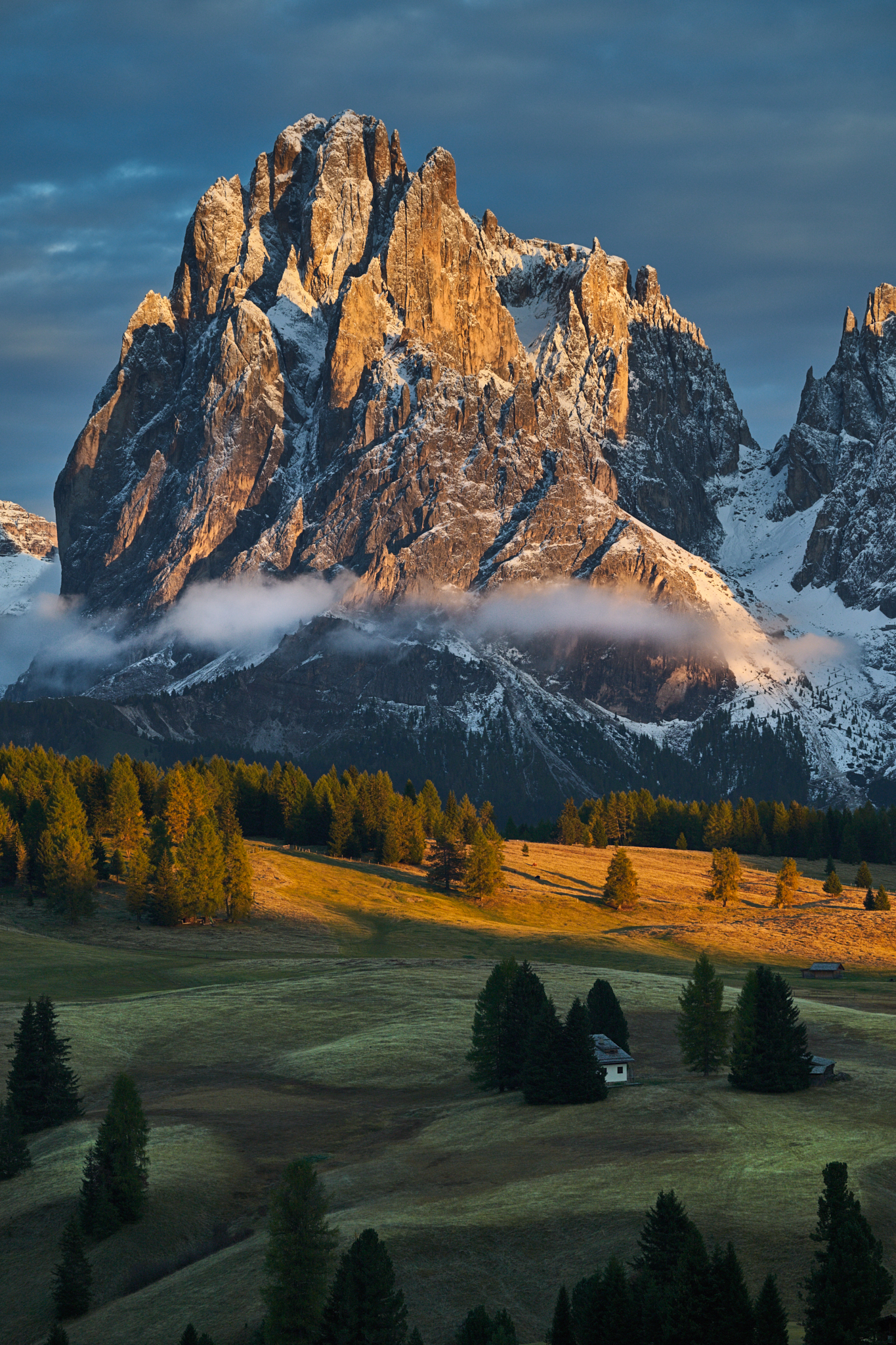
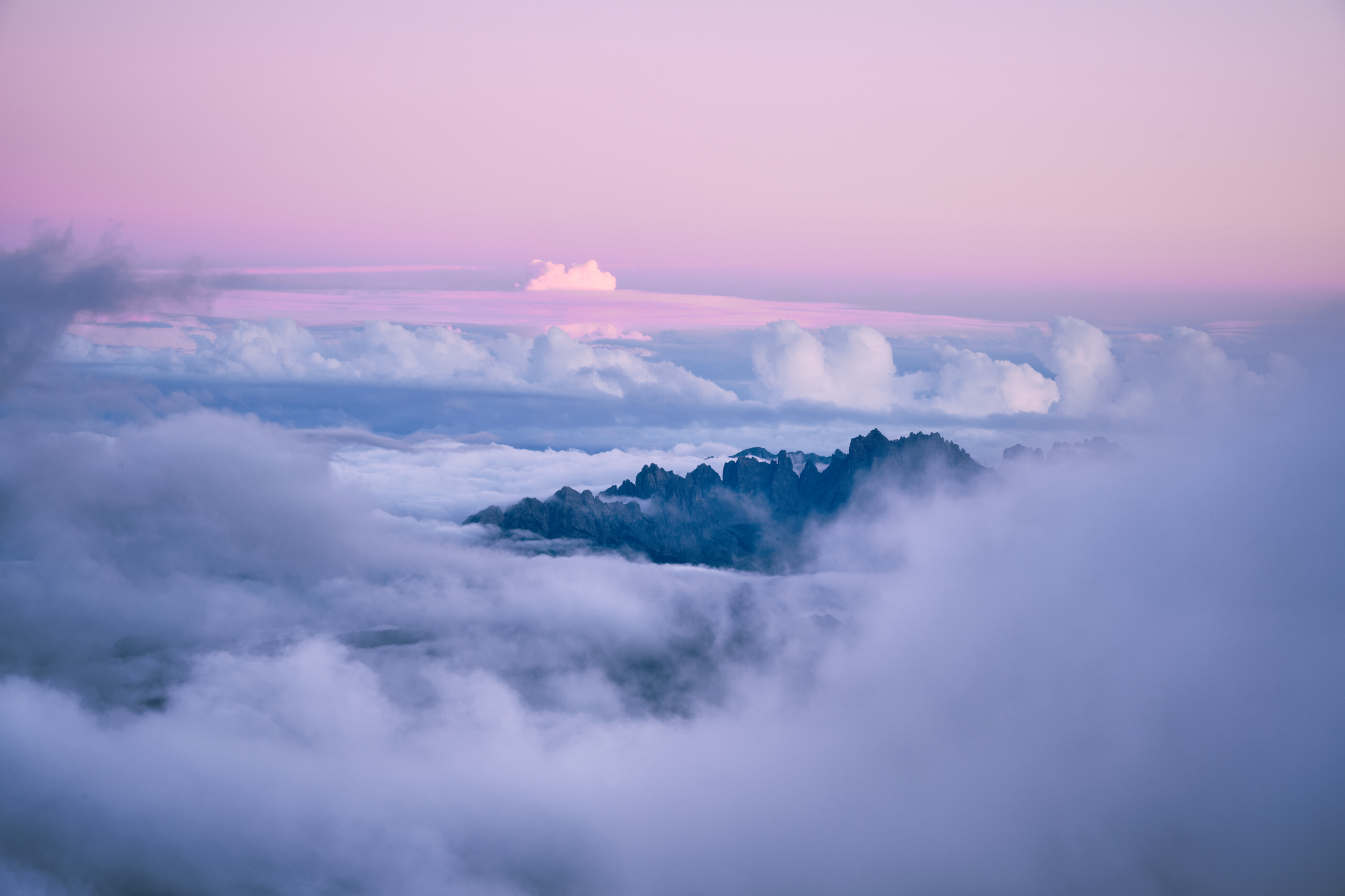
Despite these frustrations, the trip also reminded me why I am drawn to the mountains. The snow brought an entirely different character to the landscape, and the constantly changing weather created opportunities that would not have existed under clear skies. Some of my favourite moments came not from the locations I had planned to photograph, but from the unexpected conditions I encountered along the way.
The experience reinforced something I have come to believe more strongly over the years. Visiting beautiful places comes with responsibility. Whether we are photographers, hikers, or simply travellers, we all play a part in shaping the future of these landscapes. They deserve to be appreciated, photographed, and shared, but also respected. If we lose sight of that balance, we risk damaging the very places that inspire us to visit them in the first place.
Recent Comments